


HydroMassage 2.0™
HydroMassage 2.0™

HydroMassage 2.0™


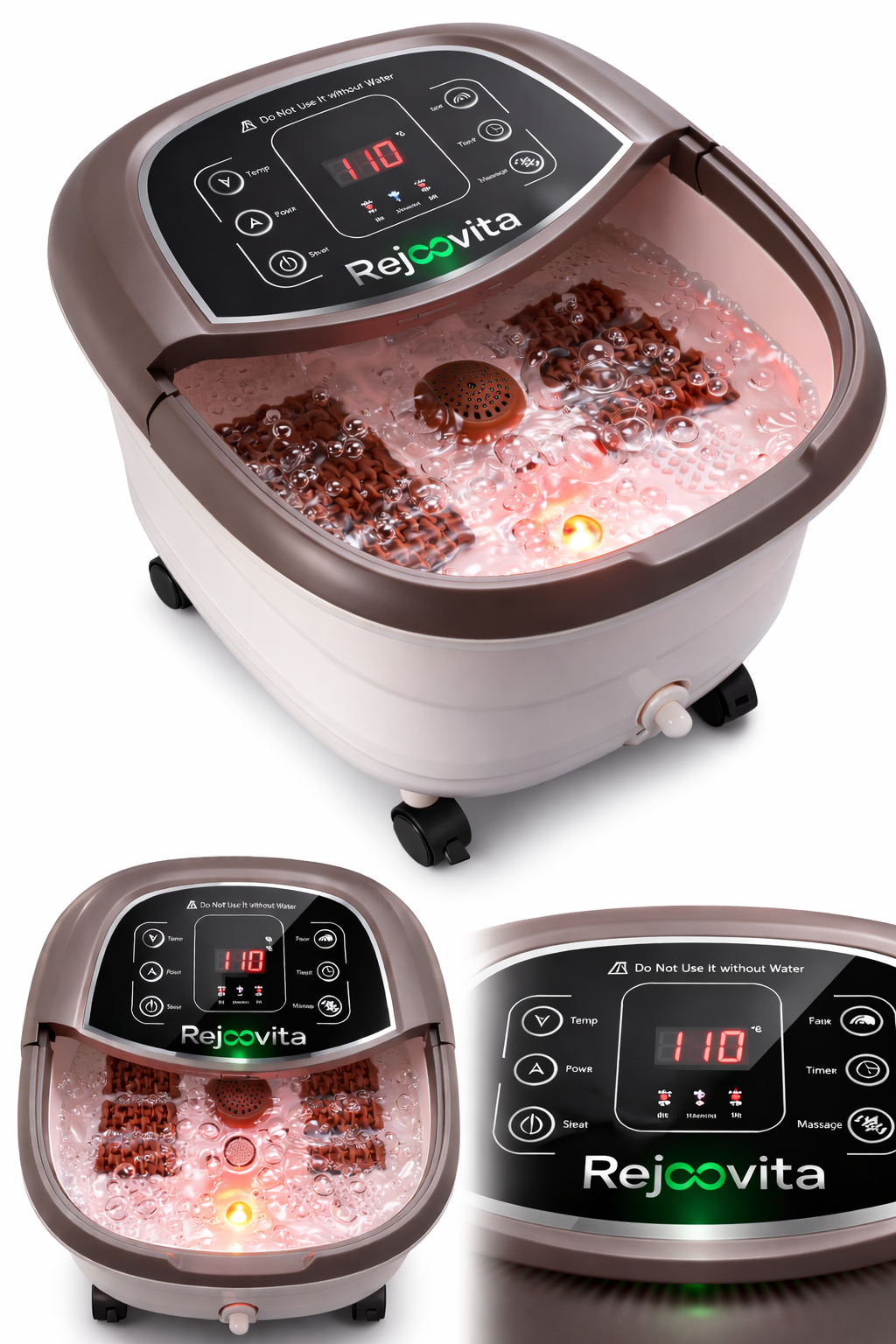
Wake Up Without Dreading That First Step
Treat the overnight inflammation cycle that causes morning foot pain—before it ruins another day
If This Is Your Morning Routine...
These are the moments that signal fascial inflammation—not just "sore feet"
The Dread Before Standing
You mentally prepare yourself before getting out of bed. Flex your feet under the covers. Brace for what's coming.
The Ice Pick Moment
That first step feels like someone stabbing your heel. You gasp, grab furniture, limp to the bathroom.
End-of-Day Collapse
After hours on your feet, they're swollen, tender, burning. You can barely walk to your car.
Why Your Feet Hurt Worse After Resting
The real problem happens while you sleep—and no one's treating it
Overnight Dehydration
While you sleep, the plantar fascia (the thick band of tissue along your foot's arch) loses moisture and contracts—like a sponge drying out.
Inflammation Builds
Without circulation, inflammatory markers (bradykinin, substance P) accumulate in the tissue. Your body can't flush them out during rest.
Micro-Tearing on First Step
When you stand, you're putting full body weight on tight, dehydrated tissue. It tears. That's the "ice pick" pain you feel every morning.
The Cycle Repeats
Each night, the inflammation worsens. Each morning, more micro-tears. Over months and years, chronic damage builds.
This is why orthotics don't fix morning pain.
They support your arch during the day—but they can't prevent overnight inflammation.
Why Everything You've Tried Hasn't Worked
They treat symptoms during the day. The damage happens at night.
Orthotics & Insoles
Partial Relief OnlyWhy It Failed:
Support during activity doesn't prevent fascial dehydration overnight. You wake up with the same inflammation cycle.
Ice Packs
Temporary NumbingWhy It Failed:
Cold constricts blood vessels, blocking oxygen and nutrients needed for healing. Inflammation returns within hours.
Ibuprofen / NSAIDs
Masks SymptomsWhy It Failed:
Blocks pain signals but doesn't heal tissue. Long-term use risks stomach lining, kidneys, cardiovascular health.
Rest & Elevation
Doesn't Flush InflammationWhy It Failed:
Passive rest doesn't remove metabolic waste from tissue. Inflammation markers stay trapped without active circulation.
Stretching Exercises
Inconsistent ResultsWhy It Failed:
Manual stretching helps if done consistently, but most people forget or don't do it before bed when fascia tightens.
Massage Therapy
Too Expensive Long-TermWhy It Failed:
Works temporarily but costs $80-120 per session. Most people can't afford weekly treatments indefinitely.
How It Actually Works
Three mechanisms working together to interrupt the inflammation cycle
Rapid Heat Therapy
Heats water to 95-104°F in under 10 minutes. This temperature range increases blood flow to inflamed tissue by up to 300%, delivering oxygen and nutrients while flushing metabolic waste.
- Dilates capillaries for maximum circulation
- Softens dehydrated collagen fibers in fascia
- Prepares tissue for pressure therapy
- Maintains consistent temperature for 20+ minutes
Motorized Pressure Therapy
Automated massage rollers mimic natural walking motion to lengthen tight fascia—without weight-bearing stress that causes re-injury.
- 16 rotating massage nodes target arch and heel
- Pulsating bubbles stimulate circulation
- Triggers gate control theory (interrupts pain signals)
- No manual effort required—just relax
Recovery Window Treatment
Unlike daytime solutions, this treats your feet during the critical recovery windows—before overnight tightening or after waking, before that first step.
- Use before bed to prevent overnight inflammation
- Or use after waking to soften fascia before standing
- 20-minute sessions fit into any routine
- Treats the problem when it's actually happening
How Does It Compare?
Side-by-side breakdown of treatment approaches
| Feature | This System | Orthotics | Ice Therapy | Medication |
|---|---|---|---|---|
| Treats overnight inflammation | ✓ | ✗ | ✗ | ✗ |
| Increases circulation | ✓ | ✗ | ✗ Blocks it | ✗ |
| Prevents morning "first step" pain | ✓ | ✗ | ✗ | Masks only |
| Works during recovery phase | ✓ | ✗ Activity only | Partial | ✗ |
| No long-term health risks | ✓ | ✓ | ✓ | ✗ Organ damage |
| Relaxing / therapeutic experience | ✓ | ✗ | ✗ Uncomfortable | ✗ |
| One-time cost | ✓ | Replace yearly | ✓ | ✗ Ongoing |
Questions You're Probably Asking
Honest answers based on what real users want to know
Will this work for my specific foot problem?
+
May help but not guaranteed: Severe diabetic neuropathy, arthritis, bunions, structural deformities.
Won't fix: Broken bones, torn ligaments, severe nerve damage requiring medical intervention.
If your primary symptom is "worse pain after resting" or "first-step morning pain," this targets that exact mechanism.
How often do I need to use it?
+
After inflammation reduces, most people drop to 3-4 times per week for maintenance.
Some users with severe chronic pain use it twice daily (morning + night) during the initial healing phase.
Key: Consistency matters more than duration. 20 minutes nightly beats sporadic 1-hour sessions.
I've tried foot spas before and they didn't help. What's different?
+
Critical differences:
- Reaches 104°F (required for fascia softening)—basic spas max out at 95°F
- 16 motorized rollers target arch and heel specifically
- Maintains temperature for 20+ minutes without constant reheating
- Designed for inflammation treatment, not just bubbles and warmth
If you used a $40 Amazon basics foot spa, this is a completely different mechanism.
Can I add Epsom salts or essential oils?
+
Avoid essential oils with motorized parts—they can clog jets and void warranty.
Safe additions: Epsom salt, sea salt, baking soda.
Not recommended: Oils, lotions, bubble bath, anything that creates residue.
Is it loud? I live in an apartment.
+
Quieter than most hair dryers, vacuum cleaners, or dishwashers.
Most people use it while watching TV or reading without distraction. Not silent, but not disruptive.
What if I have diabetes? Is heat therapy safe?
+
Why: Reduced sensation means you might not feel if water is too hot, risking burns.
Safe approach: Start with lower temperature (95-98°F), test with your hand first, never exceed 104°F, limit sessions to 15-20 minutes.
Many diabetics use this successfully for neuropathy pain relief, but medical clearance is recommended.
How do I clean it?
+
Weekly: Clean with mild soap and water, rinse thoroughly.
Monthly: Run white vinegar solution (1:1 with water) for 10 minutes to remove mineral buildup, drain, rinse.
Total cleaning time: ~5 minutes weekly. Much easier than advertised.
What's the return/warranty policy?
+
2-year warranty: Covers motor, heating element, electrical components.
Lifetime customer support: Email/phone support for troubleshooting.
Average lifespan with regular use: 3-5 years. Some users report 7+ years with proper maintenance.
Will it cure my plantar fasciitis permanently?
+
Think of it like physical therapy—it works while you're doing it and for a period after, but the root cause (your job, your activities, your body mechanics) still exists.
Realistic outcome: Most people use it 3-4x weekly long-term to maintain results. Some heal completely and stop. Some need it indefinitely.
It manages the problem effectively. "Cure" implies never needing treatment again, which isn't guaranteed for anyone.
Can two people share one unit?
+
Some couples alternate nights. Others use it back-to-back (one person finishes, drain, refill for next person).
For households where multiple people need it nightly, some find it easier to have two units to avoid scheduling conflicts.
Stop Treating Symptoms.
Start Healing the Cycle.
Join 2,000+ people who wake up without foot pain
✓ Free Shipping
✓ 2-Year Warranty
Try it for 30 days. If that "first step" pain doesn't improve, return it for a full refund.